Tsundere Meaning & Personality Guide — Dere Type Test
Discover what Tsundere means, real-life signs you have a Tsundere personality, Type A vs. Type B subtypes, and how it compares to Kuudere and Himedere.
Last updated: · By Dere Type Test Editorial Team
What Does Tsundere Mean?
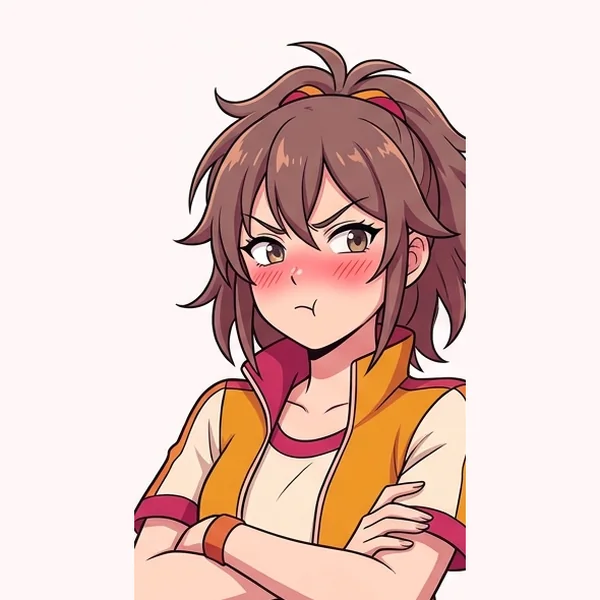
A Tsundere (ツンデレ) is an anime personality archetype describing someone who acts prickly, sarcastic, or standoffish on the outside to hide deep affection and vulnerability on the inside. The term blends two Japanese onomatopoeia: tsuntsun (turning away in irritation or aloofness) and deredere (becoming sweet, warm, and lovestruck).
In real-life terms, getting Tsundere on our Dere Type Test does not mean you are actually mean—it means you treat emotional honesty as high-stakes. Sarcasm, teasing, and pretending not to care serve as armor until you know the other person is genuinely safe to trust.
Classic Signs You Might Be a Tsundere
If you are wondering whether Tsundere fits your everyday habits, look for these recurring patterns:
- You deflect compliments automatically. When someone praises your work or appearance, your first reflex is to brush it off, make a dry joke, or change the subject—even while secretly feeling happy about it.
- You show love through grudging favors. Instead of saying "I missed you," you stay up late helping fix a friend’s project and mutter that you only did it because you had nothing better to do.
- You tease the people you like most. Mild banter feels much safer than direct earnestness, so your favorite people often get your sharpest humor.
- Once trust clicks, your loyalty is ironclad. People outside your circle see the tough shell; people inside your circle know you are the first person to show up in a crisis.
The Two Classic Tsundere Subtypes
Anime fans generally recognize two distinct styles of Tsundere energy:
- Type A (Harsh-Default Tsundere): Starts out guarded, competitive, or easily flustered, only showing warmth in rare private moments after a long trust-building phase.
- Type B (Warm-Default Tsundere): Friendly and easygoing with almost everyone—except their crush, around whom sudden nerves make them defensive or awkwardly sharp.
Tsundere vs. Kuudere vs. Himedere
Because several dere archetypes look guarded at first glance, it helps to separate them by what drives their outer shell:
- Tsundere vs. Kuudere: A Tsundere reacts with visible heat—blushing, bickering, or snappy comebacks—while a Kuudere stays cool, calm, and emotionally unreadable.
- Tsundere vs. Himedere: A Himedere expects royal treatment and enjoys being admired, whereas a Tsundere gets flustered the moment anyone puts them on a pedestal.
- Tsundere vs. Dandere: Both struggle with vulnerability, but a Dandere goes quiet and retreats while a Tsundere pushes back verbally.
Best Chemistry & Growth Tips
Tsundere personalities often click best with an open, steady Deredere who does not get rattled by teasing, or a calm Kuudere who sees straight through the sarcasm without escalating arguments.
If you scored Tsundere on the Dere Type Test, one small habit makes relationships far smoother: once in a while, let a genuine "thank you" or "I am glad you came" stand on its own without adding a sarcastic disclaimer at the end.
Frequently Asked Questions
What is the origin of the word Tsundere?
Tsundere comes from two Japanese words: tsuntsun (aloof, prickly, or irritated) and deredere (affectionate and lovestruck). Together they describe someone who hides a soft, loyal heart behind a defensive exterior.
Is being a Tsundere a bad thing?
Not necessarily. In everyday personality quizzes, Tsundere usually reflects using humor, teasing, or independence as emotional armor rather than genuine hostility.
How is Tsundere different from Kuudere?
A Tsundere shows visible heat, flustered reactions, and playful defensiveness, while a Kuudere stays calm, stoic, and composed even when they care deeply.